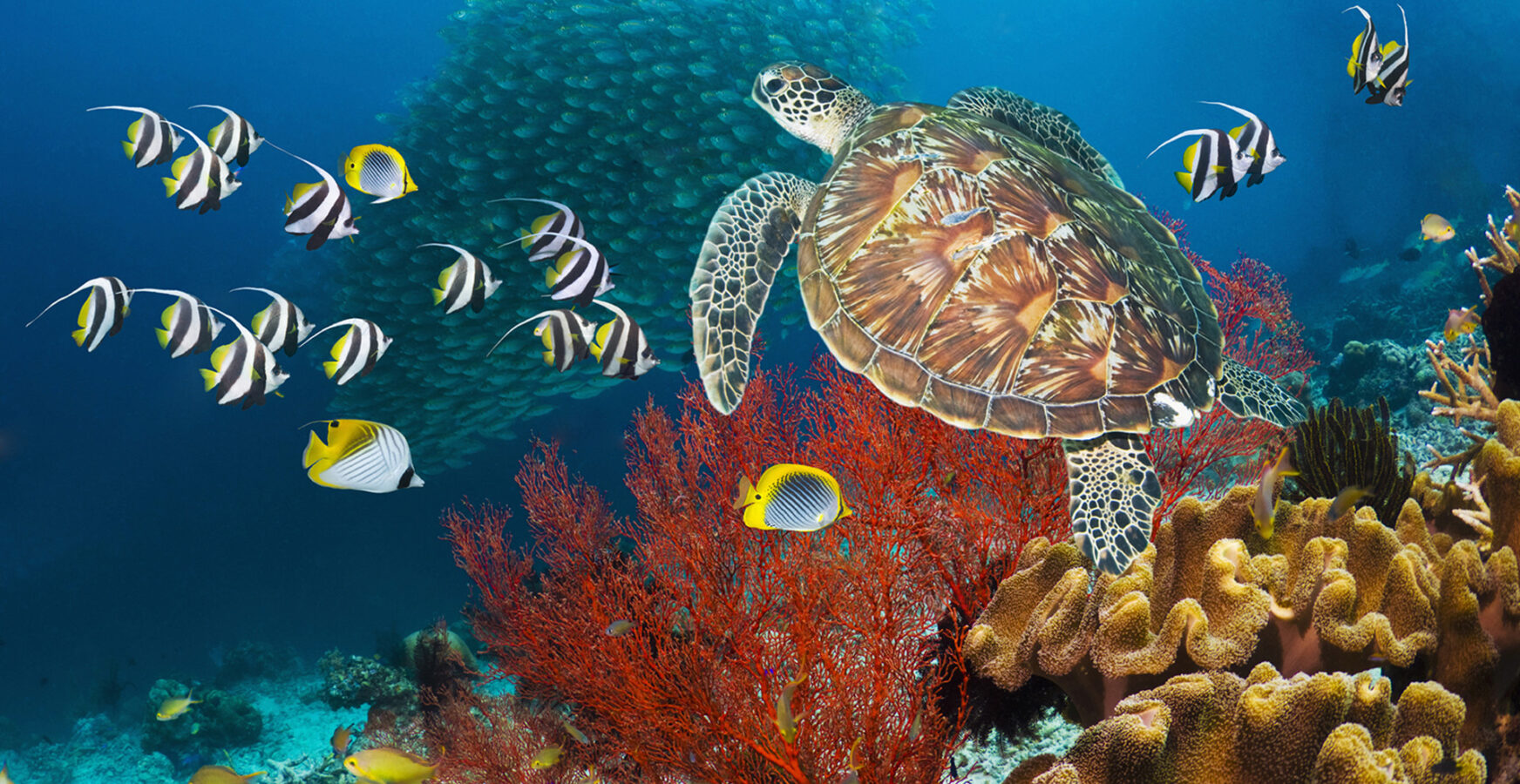
At Lanka Nature Conservationists, we believe that protecting sea turtles is not just about saving one species. Sea turtles play a vital role in maintaining healthy marine ecosystems, from sustaining seagrass beds to supporting coral reef balance.
On many quiet nights along Sri Lanka’s coastline, something extraordinary happens. Under the cover of darkness, a sea turtle slowly emerges from the ocean and begins the long crawl up the sand to lay her eggs. For thousands of years, this ritual has repeated itself along our beaches. Yet today, these ancient mariners face threats that could end this cycle if we are not careful.
Sri Lanka’s beaches and coastal waters are critical nesting and feeding grounds for several endangered sea turtle species. Among them are the Green Turtle, Hawksbill Turtle, Olive Ridley Turtle, and the magnificent Leatherback the largest sea turtle in the world. These animals travel thousands of kilometers across oceans, yet they often return to the very same beach where they were born to lay their eggs.
Unfortunately, their journey has become far more dangerous in recent decades. Coastal development, light pollution, plastic waste, and illegal egg harvesting have made many nesting beaches unsafe. Fishing nets and marine debris can also trap turtles at sea, causing injuries or death.
Protecting sea turtles requires the cooperation of many people fishermen, coastal communities, conservation groups, and government authorities. Simple actions such as reducing plastic waste, protecting nesting beaches, and supporting responsible tourism can make a significant difference.
When we protect sea turtles, we also protect the oceans that sustain them and us.
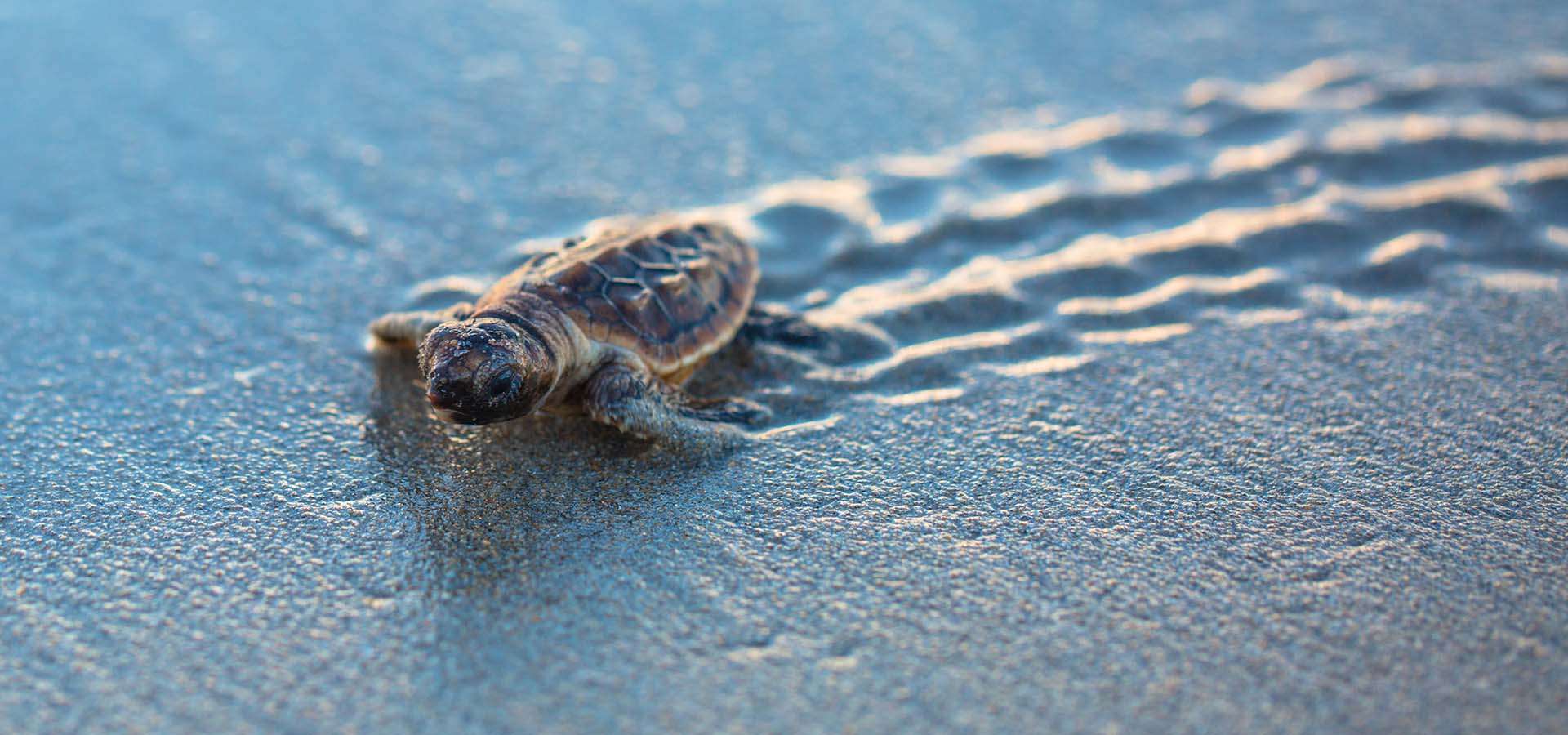
Sri Lanka’s coastline has long been a refuge for these remarkable creatures. With the right care and awareness, it can remain a safe home for generations of turtles yet to hatch.