At Lanka Nature Conservationists, we advocate for conservation strategies that work with nature rather than against it, using ecosystems as a natural defense against disasters.

Sri Lanka is no stranger to natural disasters. Floods, landslides, coastal erosion, and cyclonic storms have affected communities across the island. As climate change intensifies weather patterns, these risks are expected to grow.

While engineering solutions such as seawalls and drainage systems can help reduce some risks, nature itself provides powerful protection when ecosystems remain healthy. This approach is known as Ecosystem-based Disaster Risk Reduction, or Eco-DRR.

Mangrove forests are one of the best examples of nature’s protective power. These coastal trees form dense root systems that stabilize shorelines and reduce the force of waves. During storms or tsunamis, mangroves can absorb much of the energy that would otherwise damage coastal communities.

Wetlands also play a vital role in reducing flood risks. By acting as natural sponges, they store excess water during heavy rains and release it gradually into rivers and groundwater systems. When wetlands are lost to development, floods can become more frequent and severe.

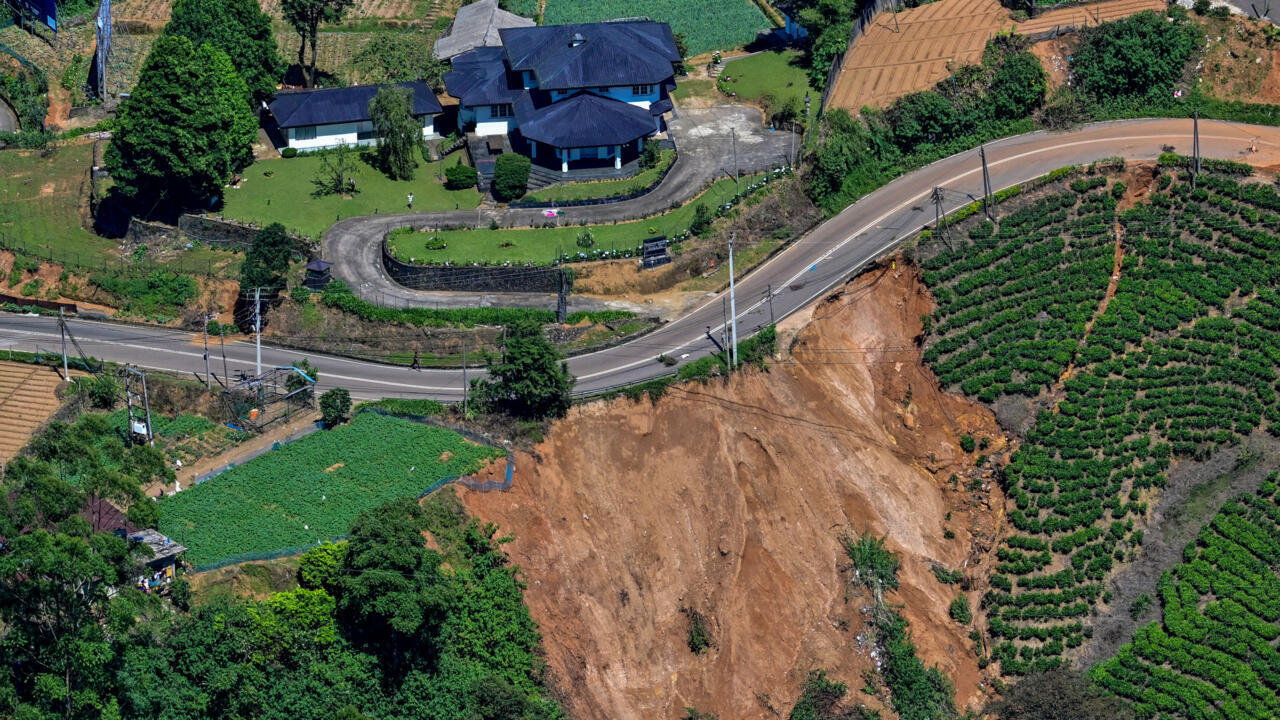
Similarly, forests on hillsides help prevent landslides by stabilizing soil with their root systems. When these forests are cleared, the land becomes more vulnerable during periods of intense rainfall.

Recognizing the value of natural infrastructure is an important step toward building more resilient communities. Protecting mangroves, wetlands, and forests can often be more sustainable and cost-effective than relying solely on built infrastructure.

In many ways, nature has always been Sri Lanka’s first line of defense. By preserving the ecosystems around us, we strengthen our ability to face the environmental challenges of the future.

Visited 14 times, 1 visit(s) today
Last modified: March 19, 2026